
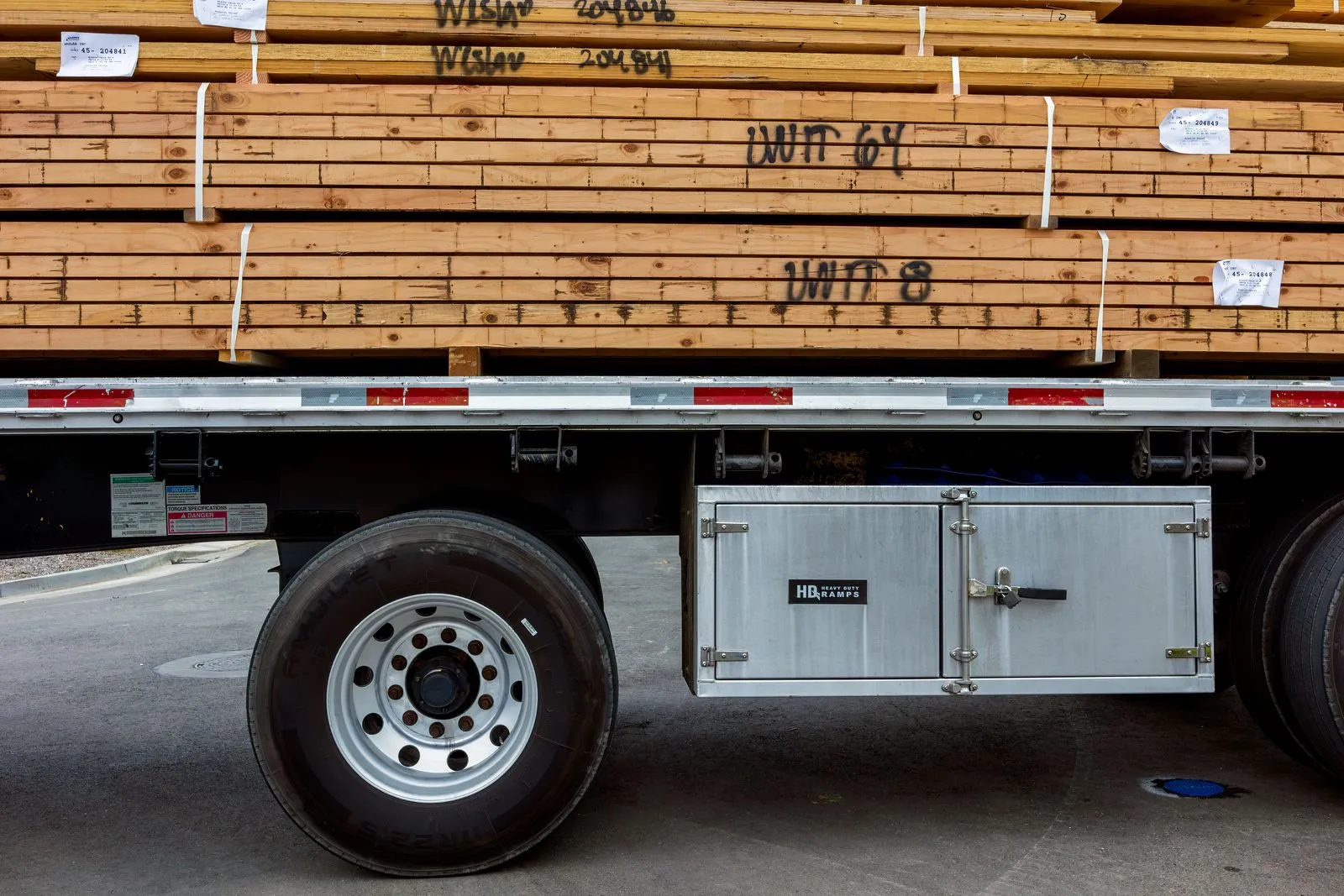
A few practical steps before a flatbed tow can help the operator load your vehicle safely and avoid preventable delays. Clear loose belongings, explain where the vehicle is located, and report anything that could affect access or loading. If the vehicle cannot be driven, do not try to move it just to make the pickup easier. Share its condition and any known hazards when you arrange the tow, then keep the area around it accessible.
Clear the Vehicle
Remove valuables, loose items, and anything that could shift during transport. Check the cabin, trunk, and cargo area, including items stored under seats. Take out removable accessories that may be damaged or come loose, such as roof-mounted equipment, if you can do so safely.
Keep essential documents and personal items with you. If the vehicle contains heavy equipment or cargo that cannot be removed, tell the towing operator before arrival. Extra weight or an uneven load can affect how the vehicle is secured and may require a different loading approach.
Share Pickup Details
Give the operator the exact pickup location, including the street address, building or lot name, and a clear description of where the vehicle sits. In a large car park, specify the level, bay, entrance, or nearby landmark. Share a contact number the driver can use if they have trouble finding the vehicle.
Explain access limits before the truck arrives. Mention narrow driveways, low overhead clearance, gates, steep ramps, tight turns, restricted hours, or security procedures. If a gate code or permission is required, arrange access in advance and confirm who will meet the operator.
Explain Loading Concerns
Tell the operator whether the vehicle starts, rolls, steers, and brakes. Report flat or missing tires, steering or suspension damage, a locked transmission, or a parking brake that will not release. These details help the operator choose suitable loading equipment and plan how to position the flatbed.
Point out damage, low ground clearance, modified suspension, or parts that may be loose or protruding. If the vehicle is in a garage or on a slope, explain its position and available space. Do not attempt to release a stuck brake, shift the transmission, or move a damaged vehicle unless the operator advises that it is safe.
Make the Pickup Area Ready
Move other vehicles, bins, or obstacles where possible so the tow truck has room to approach and position its bed. Keep people and pets away from the loading area. If the vehicle is on a public road or in a hazardous spot, tell the operator so they can account for traffic and safety conditions.
Have the keys available if you can provide them, and confirm whether the operator needs access to the cabin. Before loading begins, identify any additional concerns in person. Newcastle Flatbed Towing can use those details to plan the pickup, but the operator should assess the vehicle and surroundings before deciding how to load it.
A clear vehicle, accurate access instructions, and an honest description of its condition give the operator useful information before arrival. When arranging a flatbed tow, share these details early and ask what else is needed for your specific pickup. Contact a local towing service to discuss the vehicle and access conditions.