
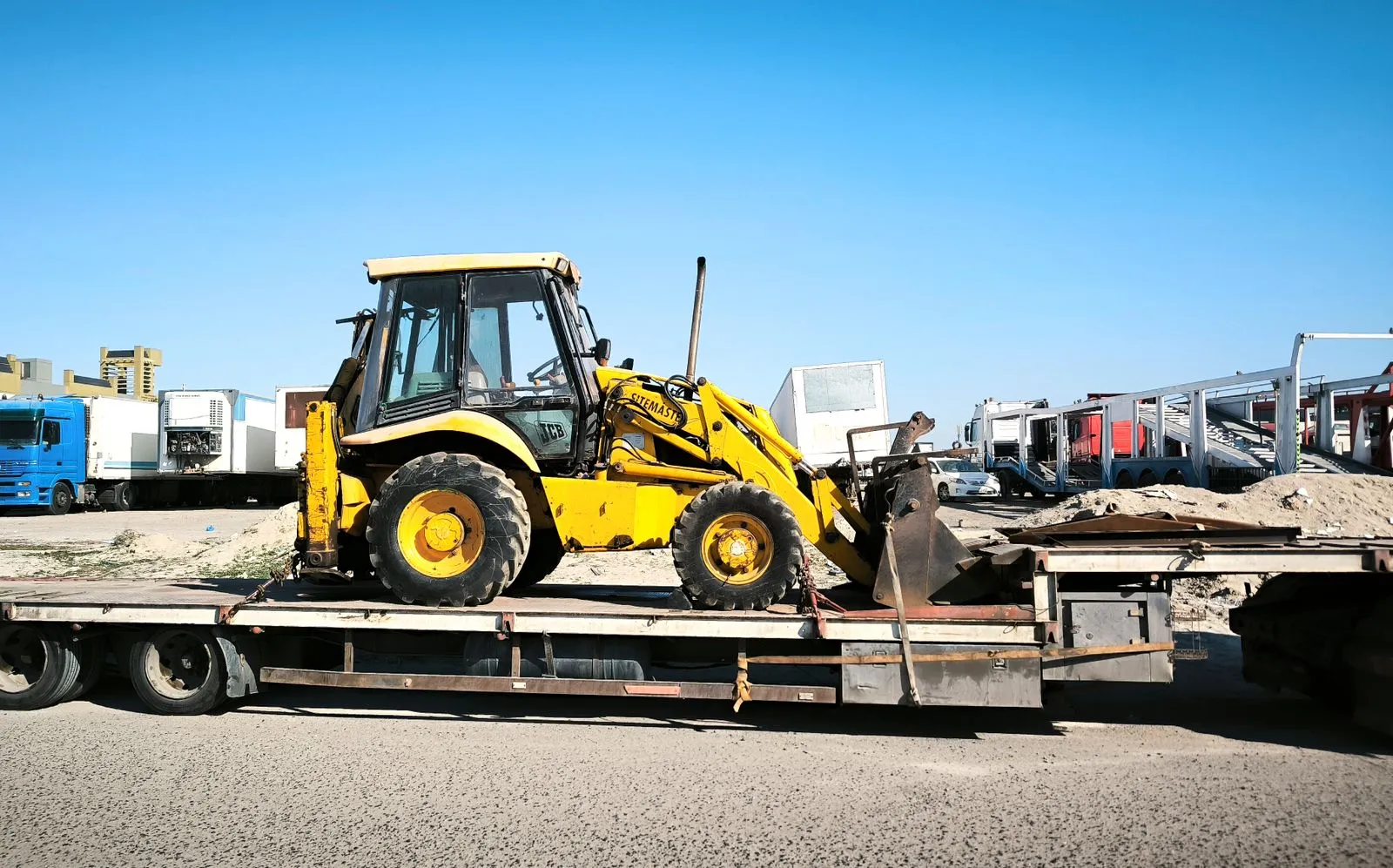
A clear description helps a tow operator choose suitable equipment, plan a safe approach, and avoid delays at pickup. Before you call, gather details about the vehicle, its exact location, what is wrong, and any obstacles around it. You should also confirm where the vehicle needs to go. If you are unsure about a detail, say so rather than guessing. Accurate information helps the operator assess the job and ask the right follow-up questions.
Describe the Vehicle
Give the vehicle’s make, model, and approximate year if you know them. Mention whether it is a car, SUV, van, motorcycle, or another type of vehicle. Tell the operator if it has unusual dimensions, a low profile, modified suspension, a roof load, or other features that could affect loading and transport.
Explain whether the vehicle has all four wheels, whether its tires are inflated, and whether it can roll and steer. If it is electric or hybrid, identify it as such. Also mention any visible damage that could affect how it should be secured, such as a bent wheel, loose body panel, or damaged bumper.
Pinpoint the Location
Provide the street address or the nearest cross streets, then describe exactly where the vehicle is. It may be in a driveway, underground garage, roadside shoulder, private car park, or loading area. Share a map pin when possible, especially if the entrance is difficult to find or the vehicle is not visible from the road.
Tell the operator which direction the vehicle faces and which side is easiest to approach. For a roadside pickup, note the nearest safe landmark and whether the vehicle is fully off the traffic lane. If you are in a car park or complex, give the building name, level, bay number, or entry instructions.
Explain Its Condition and Access
Describe the immediate problem in plain terms: for example, the vehicle will not start, has a flat tire, or was involved in a collision. Say whether it is secure and whether anyone is injured or still inside. If there is smoke, leaking fluid, exposed electrical damage, or another safety concern, mention it before the truck is dispatched.
Flag anything that could restrict access or loading. Examples include a narrow driveway, low clearance, steep slope, locked gate, tight turn, soft ground, parked vehicles, or limited room to position a truck. Share measurements if you know them, such as a garage clearance sign, and explain any access rules or contact requirements.
Confirm the Destination
Give the full destination address and name the repair shop, residence, or other receiving location if applicable. Confirm that the destination can accept the vehicle and check its opening hours or drop-off instructions. If you have not chosen a destination, tell the operator before pickup so you can discuss the available plan.
Provide a contact name and phone number for the person who will meet the operator or receive the vehicle. Ask whether keys need to be left with the vehicle, handed to someone, or kept by you. Before the tow begins, confirm the destination and any special handling instructions with the operator.
Before calling, write down the vehicle details, pickup address, condition, access limits, and destination. Photos of the vehicle and pickup area can help explain details that are difficult to describe. Share safety concerns promptly and confirm the plan before loading. Newcastle Flatbed Towing can discuss pickup requirements when you call.